Shepherd Color innovation leads to higher levels of sustainability
Although sustainability has been steadily gaining traction as a global concern in recent years, many leading manufacturers have been investing in sustainable practices for decades.
The Shepherd Color Company is among those manufacturers investing in sustainable practices. “You could say we were sustainable before sustainable was cool,” said Mark Ryan, Marketing Manager, and a 20-year Shepherd employee.
“Shepherd Color’s investment in sustainable production predates even my time with the company,” Ryan said. “Largely because of the owner’s philosophy to do what’s right. As a result, sustainable practices have been developed both in response to their focus on treating people ethically as well as the environment.”
Shepherd Color’s focus on sustainability has evolved over the past several decades — to support their own values as well as respond to customer’s needs and demands. Those developments include the following:

Durable grade products
Early on, Shepherd Color focused on developing pigments that are long-lasting, without the need to be replaced every few years.
“Many people tend to think of sustainability as something that can be easily reused or recycled,” Ryan said. “Our point would be – why don’t you make something that lasts a long time so you don’t have to repair it or you don’t have to replace it?”
“That’s a different view on sustainability,” he said. “It can represent a huge environmental impact if you don’t have to repaint a building every five to 10 years…instead of 30 to 40 years.”
Sustainable sourcing
In recent years, Shepherd Color has been increasingly focused on the sourcing of materials as another critical sustainability factor. “The company has joined in a global effort to ensure that raw products are obtained through ethical means,” said Chris Collesel, Purchasing Manager.
Shepherd Color employs numerous policies to ensure due diligence among its internal staff members as well as its suppliers. These include third-party audits and a Certificate of Declaration signed by both Shepherd Color and its suppliers, stating that they are taking all measures to ensure they are not sourcing conflict minerals, like those from the African region, the Democratic Republic of Congo (DRC).
“It has really changed significantly over the last several years,” Collesel said. “We have become more knowledgeable and more thoughtful about how we source our raw materials — not just what we make with our product but what we bring in the door.”
Overall energy savings
“It used to be that sustainability was kind of seen as just making sure something was durable, that the color would last,” Ryan said. “However, eventually, the focus switched to energy savings.”
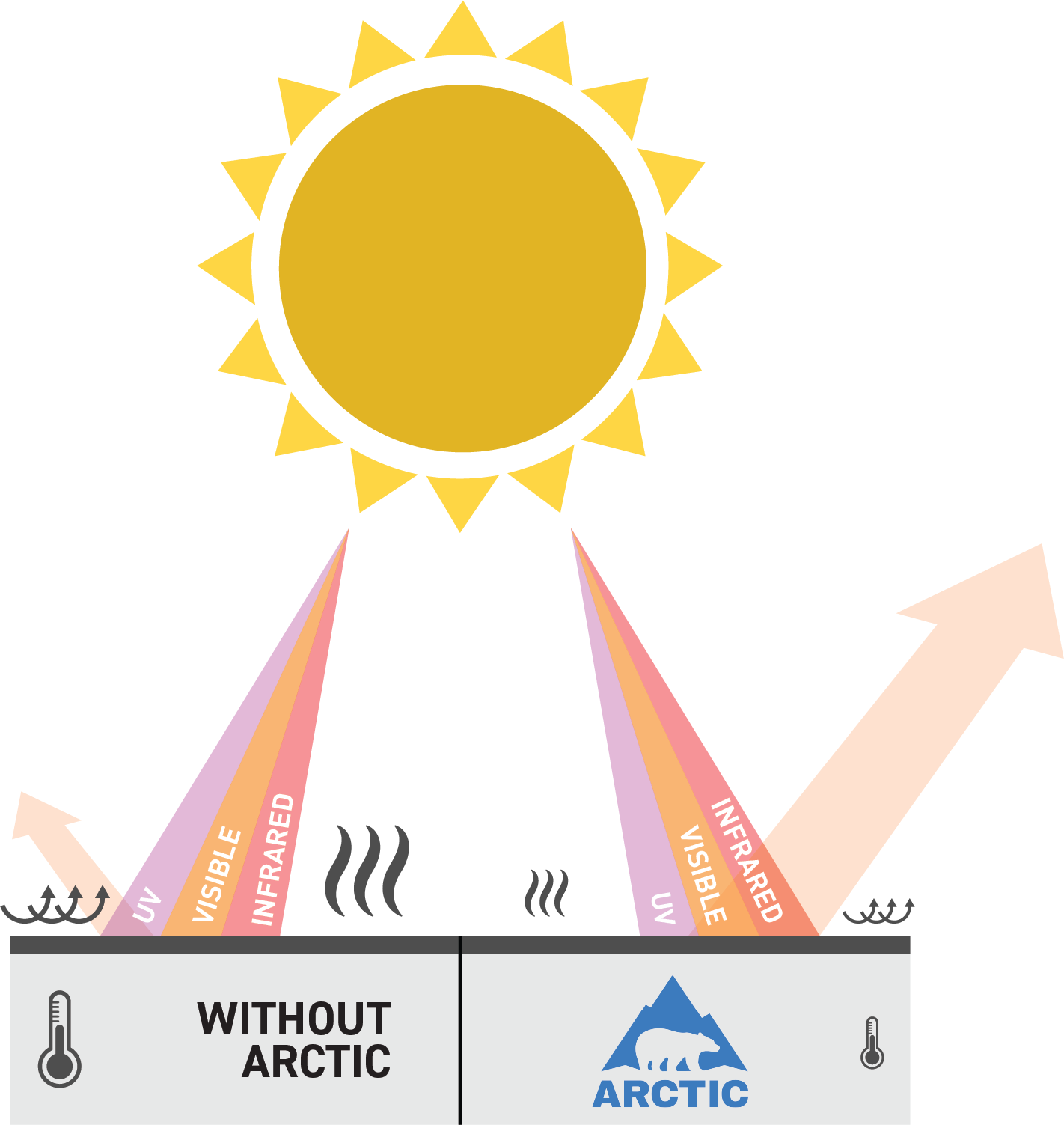
As a result, Shepherd Color started developing durable pigments that also contributed to energy savings. This resulted in the production of innovative reflective properties that, when used on roofing and other exterior surfaces, kept buildings cooler and HVAC costs down. “It keeps the peak demand off of the energy grid,” Ryan said.
The benefits also extend to the surrounding community. “If you’re reflecting in a way so that you’re preventing heat from being absorbed into the roof, you’re theoretically keeping the cityscape cooler,” Ryan said.
“In many ways, durable pigments also represent another way to tap into energy savings because of the product’s lifecycle. Although a product may initially require more energy to produce than other products, it may require less total energy than inferior products that must be replaced more frequently,” Ryan said.